Investing in Myrtle Beach Real Estate: What Buyers Should Know
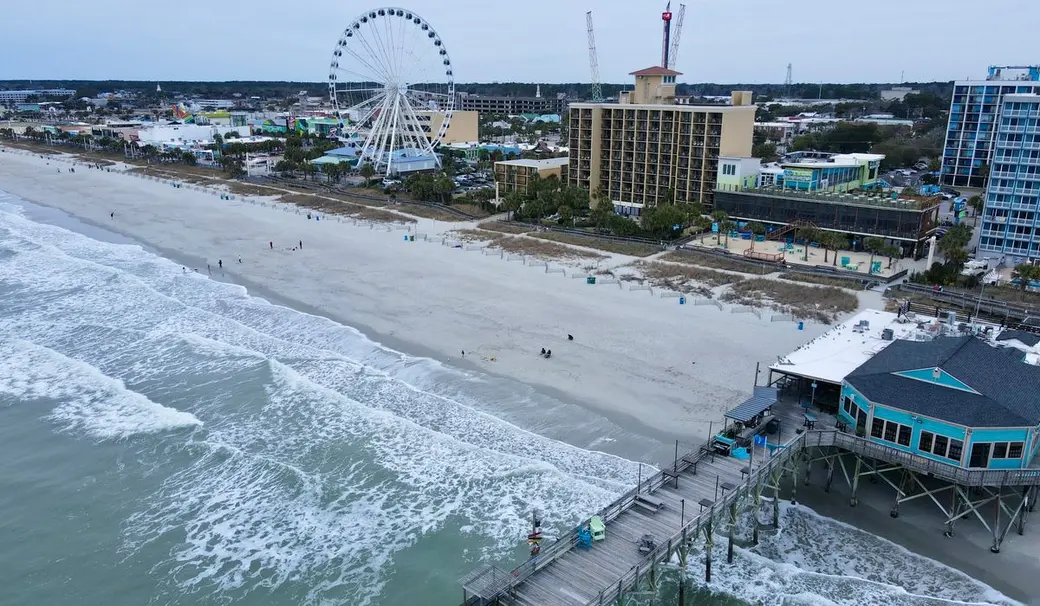
Myrtle Beach is not one market. It is an oceanfront resort corridor, an established residential city, four distinct beach communities to the north, and a surrounding county with golf, water and land. A property that works in one of those settings may fail in another.
This guide is written for buyers who want to evaluate a coastal purchase with an investor's discipline rather than a vacation's enthusiasm. It is educational and does not promise returns, rental income or financing approval.
Start with the property type
Most Grand Strand investment purchases fall into four buckets:
- Oceanfront and resort condos: strong seasonal demand, but HOA dues, rental amendments and insurance usually decide the numbers.
- Single-family homes: more control over the property and often better suited to long-term leasing.
- Townhomes and low-rise condos: a middle ground on price and maintenance, with rules that vary widely by association.
- Multi-family and small portfolios: duplexes and multi-unit buildings for buyers building rental income over a longer horizon.
The three numbers that decide a deal
1. Acquisition cost
Purchase price is the first number, not the last. Add closing costs, inspections, immediate repairs, furnishing if the property will be rented short-term, and the reserve you want to hold after closing.
2. Carrying cost
HOA dues, property taxes, insurance (including wind and flood where applicable), utilities and routine maintenance. For condos, the HOA budget and reserve study tell you more about future cost than the monthly dues alone.
3. Operating result
Rental income minus vacancy, management, cleaning, supplies, repairs, permits and taxes. Use a realistic occupancy range for the building and the season. Any rental income figure should be treated as a scenario to verify, not a promise.
Rules are part of the investment
Short-term rental eligibility is set by the association's governing documents and by city rules. It is not guaranteed by a listing description. Confirm the current policy in writing for the specific property, and ask how it has changed in recent years.
Insurance belongs in the same conversation. Coastal buildings carry wind and flood exposure, and the split between the master policy and your own coverage matters. Get quotes before you remove contingencies.
Location: Myrtle Beach, North Myrtle Beach and Arcadian Shores
The Grand Strand's communities behave differently. Read the local guides before you narrow a search:
- Myrtle Beach — oceanfront towers, the boardwalk district and established neighborhoods inland.
- North Myrtle Beach — Cherry Grove, Ocean Drive, Crescent Beach and Windy Hill, each with its own character.
- Arcadian Shores — a quieter pocket near Shore Drive and the golf course.
A practical due-diligence checklist
- Read the HOA budget, reserve study and rental amendment.
- Confirm short-term rental licensing with the city and the building.
- Get insurance quotes before you commit.
- Ask for utility history and maintenance records where available.
- Understand how the property is taxed and what the assessment history looks like.
Common mistakes
The most costly errors are usually not about the view. They are buying without reading the rental rules, underestimating dues and insurance, and modeling the best week of the year instead of the whole year.
Next step
If you want to compare property types and buildings with context, explore oceanfront condo investments, vacation rental ownership and property management and rental strategy. When you are ready, search the live MLS or start a conversation with Kevin Gunn.
This article is educational and is not legal, tax, lending or investment advice. Verify all figures and rules with the property, the association, the municipality and your own advisors.
Categories
Recent Posts