
Oceanfront Condo Investments: HOA Fees, Rental Rules, and Operating Costs
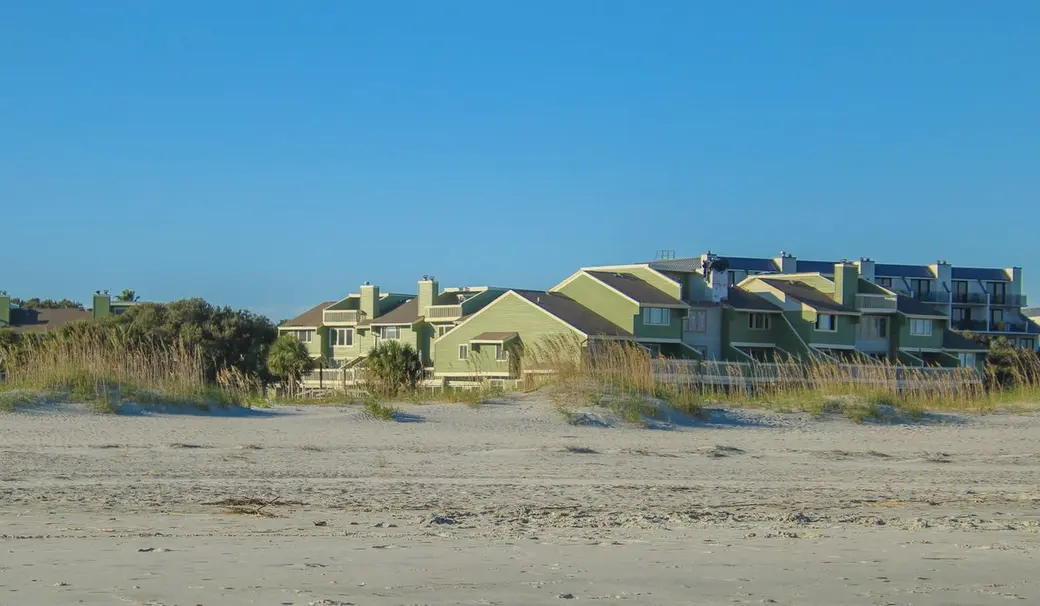
An oceanfront condo is part real estate and part building membership. You buy a unit, but you also buy into an association's budget, rules and maintenance history. The view sells the property. The documents decide the investment.
This guide explains what to read before you make an offer on a beachfront unit in Myrtle Beach or anywhere on the Grand Strand. It is educational and does not promise rental income, appreciation or financing approval.
HOA fees: what the dues actually cover
Monthly dues typically fund shared insurance, exterior and common-area maintenance, amenities, management and reserves. Two buildings with similar dues can carry very different underlying obligations.
- Ask for the current operating budget and the reserve study.
- Check how much of the budget goes to insurance and how that figure has changed.
- Look at reserve funding levels and any deferred maintenance or planned assessments.
- Confirm what the dues do not cover — interior insurance, utilities, parking, storage or extra amenities.
Rental rules are building-specific
Short-term rental eligibility is set by the association's governing documents and by city rules. It is not guaranteed by a listing description. Amendments can restrict minimum stays, rental caps, owner-occupancy or the number of rentals allowed.
- Read the rental amendment and any recent rule changes.
- Confirm the current policy in writing with the association.
- Ask about registration, parking passes, wristbands and guest rules.
- Find out whether the building has a rental program and what it charges.
Rules can change. That risk is part of the investment, so ask how the amendment process works and how the city has handled rental regulation.
Operating costs beyond the dues
Even with dues paid, an owner carries costs the HOA does not cover. For a short-term rental these often include interior insurance, furnishings and replacement, cleaning and turnover, supplies, marketing or channel fees, property management, permits and taxes.
Build the full-year picture. Seasonal demand on the Grand Strand means high season, shoulder season and slower months behave differently, and vacancies between bookings are a real cost.
Insurance on the oceanfront
Coastal buildings carry wind and flood exposure. The association's master policy and your own interior policy work together, and the split matters. Get quotes early, understand deductibles, and confirm what each policy covers before relying on a rental projection.
Resale and marketability
Buildings that are well run, fully reserved and clear on rental rules tend to be easier to finance and easier to sell. A low price can reflect a problem the documents will reveal — read them with that in mind.
A buyer's checklist
- HOA budget, reserve study and insurance allocation
- Rental amendment and current policy in writing
- Special assessments and deferred maintenance
- Interior insurance and flood-zone details
- Full-year operating model with realistic occupancy
Next step
Read more about oceanfront condo investments, compare vacation rental ownership, or search current Myrtle Beach condos. To review a specific building, talk with Kevin Gunn.
This article is educational and does not promise rental income, ROI or financing approval. Verify building rules, insurance costs and municipal requirements with the association, your lender and your own advisors.
Categories
Recent Posts